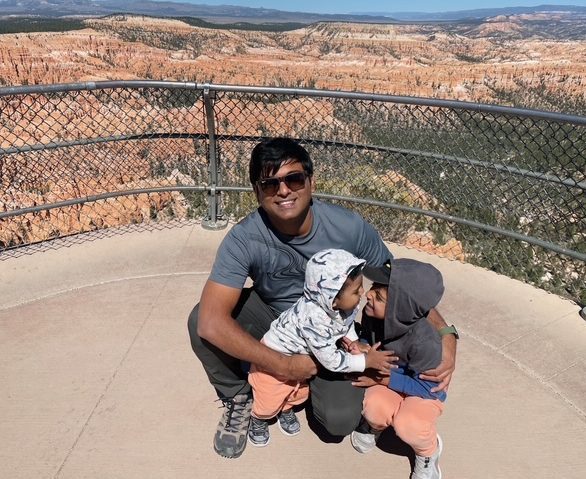
Utah Road Trip Planning with Kids: The Complete Family Checklist (2025)
Planning a Utah road trip with kids can feel overwhelming at first. Where do you start? Which parks should you visit first? Which routes make the most sense? Are all parks kid-friendly? How many days do you need, where should you stay, and what logistics actually matter when you’re traveling with children?
If those questions are already swirling in your head, you’re in the right place.
This post focuses on the planning side of a Utah road trip with kids — entry routes, passes, reservations, timing, and the practical details that make the trip smoother and far less stressful. Once the logistics are set, enjoying Utah’s parks and scenic drives becomes much easier.
Choosing Your Entry Route Into Utah (Where You’re Coming From)
Where you enter Utah often determines the flow of your entire trip. Instead of forcing a perfect loop, it helps to plan based on where you’re coming from.
Entering From the East (Colorado, Wyoming, Northern Colorado)
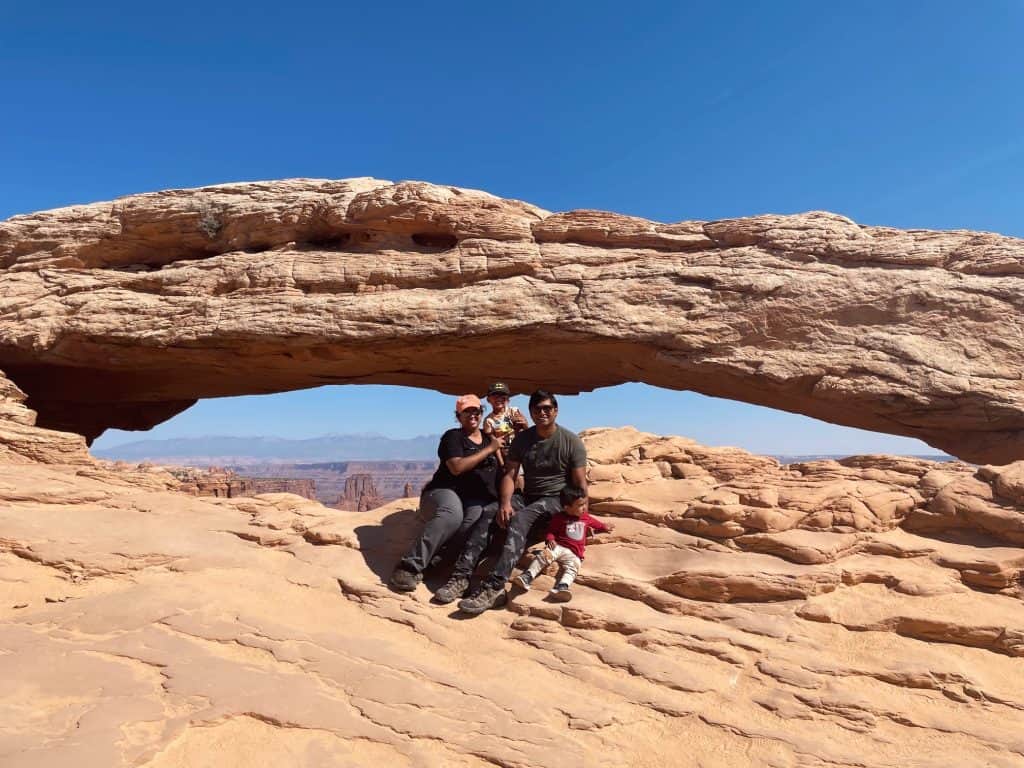
If you’re driving from Colorado or Wyoming, Moab is usually the first major stop. This makes it easy to start with:
- Arches National Park
- Canyonlands National Park
This route involves longer drives, but the scenery helps break them up. Elevation changes can also affect younger kids, so planning slower days at the start helps.
Entering From the West (Southern California, Nevada, Arizona)
If you’re coming from Southern California, Southern Nevada, or parts of Arizona, Zion National Park often works best as your first stop. This is a gentler way to ease kids into the trip, with shorter walks, shuttle access, and plenty of scenic viewpoints.
Entering From New Mexico
If you’re coming from northern New Mexico, such as Taos or Santa Fe, Moab often works well as a starting point, allowing you to visit Arches and Canyonlands early in your trip.
If you’re entering from southern New Mexico, Monument Valley makes a natural first stop, followed by Zion, Capitol Reef, and then Moab before looping back. This route helps break up long drives and keeps sightseeing balanced for kids without spending too many consecutive days in the car.
Four Corners as a Quick Stop
If you’re entering Utah from New Mexico or if Monument Valley is already part of your itinerary, Four Corners can be an easy stop to add along the way. It’s the closest and most convenient stop when visiting Monument Valley and can be worked in either on your way into Utah or while heading back home.
While Four Corners isn’t a long visit, it can be a fun and memorable stop for kids—especially since you’re already nearby. If timing works and everyone has the energy, it’s a simple add-on that doesn’t require much extra planning.
When the sun is out, it can get quite hot to stand in line with kids. One parent can wait in line for the photo while the other lets the kids play nearby or explore the surrounding shops, which makes the stop much more manageable for families.

Flying Into Salt Lake City
If you fly into Salt Lake City, many families still choose to drive south toward Moab or Zion, depending on flight timing and how many days they have. Moab often becomes the first base if you want to cluster Arches and Canyonlands together.
There’s no single “right” route — the best route is the one that minimizes backtracking and keeps driving days realistic for your kids.
National Park Pass Options (What Saves Money for Families)
America the Beautiful Annual Pass
If you don’t already have a pass, the America the Beautiful Annual Pass is often worth it for families visiting more than one national park.
- Covers entry to all U.S. national parks
- Valid for one year from the first use
- Applies per vehicle (up to four adults, kids under 16 are free)
- The pass holder must be in the vehicle
You can buy it at your first park entrance or online. It’s also now available in digital format, but cell service inside parks can be unreliable — screenshots or a printed copy are helpful.
Using a Recent Park Receipt Toward the Annual Pass
If you visited a national park recently and paid an entrance fee, you can often apply that receipt toward the annual pass, as long as it’s within the valid time window. The one-year validity then starts from that first visit date — a great tip if you’re planning multiple trips.
Utah State Park Pass
If your trip includes several Utah state parks, a state park pass can make sense.
- Annual Utah State Parks Pass: ~$125
- Senior pass: ~$65
Traveling with a grandparent? The senior discount can be used with their ID (you can pay for it — still a win). If you’re only visiting one or two state parks and won’t return within a year, paying per visit usually makes more sense. We chose to pay per entry because we weren’t Utah-based and only visited a couple of state parks.
Unlike Colorado, Utah does not currently offer a discounted state park pass option tied to driver’s license renewal.
A Note on What Passes Don’t Cover
Entrance passes do not cover:
- Camping fees
- Parking fees in certain areas
- Special permits
- Guided tours or activities
Those are always extra. Also, for National Park passes, state park entry fees, and accommodations, we usually use our Chase Sapphire Card. It earns 3x on travel, so we’re earning points on things we’re already spending on anyway. The National Park passes and individual park visits cost our family of four about $115. This included the America the Beautiful Pass, which can be used even after your Utah road trip at many national parks across the country. The pass is valid for one year from the date of purchase.
💰 Saving Tip
Most park entry fees are per vehicle, so traveling with another family in a 7–8 seater is an easy way to split the cost. Sharing gas or EV charging expenses makes it even more budget-friendly.
Fourth Grader Pass (Every Kid Outdoors)
If you have a fourth grader, don’t miss the Every Kid Outdoors program. Eligible fourth graders receive free access to national parks for themselves and accompanying passengers during the program year (September through August).
Planning a Utah road trip with kids can add up quickly once you factor in park entry fees, national park passes, gas, and accommodations. We use our Amex Gold card for all grocery purchases and restaurant food to maximize our points earnings, that we later redeem for flights and hotels, helping reduce future travel costs for our family.
Timed Entry & Pre-Registration (Very Important With Kids)
Some parks now require advance reservations, and this matters even more when traveling with kids.
Arches National Park Timed Entry
Arches currently uses a timed entry system during peak seasons. Reservations are made through Recreation.gov and include a small non-refundable fee. If you want flexibility, try booking at least 3 months in advance. The closer you get to your travel date, the fewer time slots will be available.
Even if Arches is the only Utah park using timed entry right now, this can change seasonally. Always check official park sites before your visit.
This requirement caught us off guard once — we arrived to find the park full. We adjusted by visiting Canyonlands first and returned later for a sunset hike to Delicate Arch, but it changed the rhythm of our day. With kids, that kind of disruption can add stress fast.
Why Reservations Matter More With Kids
When traveling with children:
- Long waits are harder
- Disappointment hits harder
- Flexibility decreases
Booking timed entry or checking shuttle systems ahead of time helps you plan nap windows, meal times, and rest breaks.
RV & Special Vehicle Notes
If traveling in an RV:
- Some parks require advance reservations
- Dump stations and water fill fees vary by park
- Check each park’s website in advance
Shuttle Systems
Zion and Bryce Canyon both operate shuttle systems during certain seasons. These reduce parking stress but require planning for strollers, carriers, and restroom timing.
Best Time to Visit Utah With Kids (Planning Lens)
Families With School-Aged Kids
Spring break and fall break offer great weather, but crowds are heavier. Early mornings help offset this.
Families With Younger Kids
Traveling just before or after school breaks can mean:
- Similar weather
- Fewer crowds
- Easier pacing
Summer Travel
Summer works well for longer trips. Starting early in the day, choosing shaded areas, and planning flexible afternoons makes a big difference.
Winter Considerations
Winter is quieter but colder. Elevation matters, evening temperatures drop quickly, and shuttle services may pause at some parks.
Parking, Shuttles & Getting Around With Kids
- Parking near viewpoints is often stroller-friendly
- Shuttles limit what you can bring — plan accordingly
- If stopping mainly for views, a stroller works well
- If hiking with younger kids, a baby carrier is often easier
Monument Valley Scenic Loop: Guided Tour vs Driving Yourself
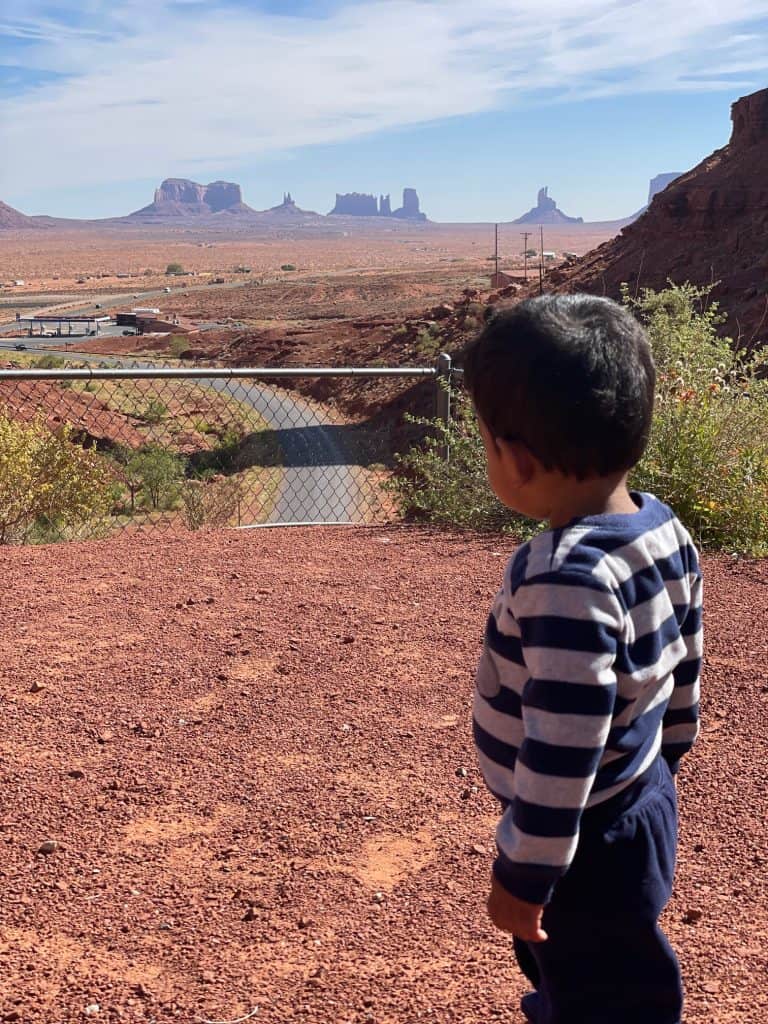
Families can choose between a guided tour of the Monument Valley scenic loop or paying the admission fee and driving the loop on their own. Guided tours often remove the guesswork and provide local insight of their land and Navajo culture, but they also run on a fixed schedule with set stops and wait times at each point.
For families with younger kids or those looking for a more relaxed experience, driving your own car can actually be the better option. We did the guided tour on an earlier visit, but when we returned with kids, we chose to drive ourselves. It allowed us to explore at our own pace, take photos at John Ford Point, stop for snacks when needed, and move on without waiting on a group schedule.
If you plan to drive the loop yourself, an AWD or 4×4 vehicle is recommended, especially if it has rained recently. In dry conditions, many standard vehicles can manage the drive as long as you go slowly and avoid attempting it after rain, when the dirt roads can become muddy and difficult to navigate.
Packing Essentials for a Utah Road Trip With Kids
Road Trip Packing (Available in the car)
- Snacks (always more than you think)
- Cooler with water, drinks, yogurt tubes, electrolytes
- Small toys, coloring supplies, cards
- Downloaded shows on tablets
- Light blankets
- Light weighted Stroller
- Baby Carrier
- Favorite comfort items
- Car Chargers for electronics
- Power Bank (Optional)
- Pen
- Moisturizer
- First-aid kit (prescription medications, hydrocortisone, Tylenol or similar for kids and adults)
- Trash bags and Paper Towels
- Spare tire and Jumper Cables
- Insurance and Registration Documents for the vehicle
- And everything mentioned in the below list
😌 Lazy Mom Tip
Pack plenty of snacks if you’re driving from home — it’s one less thing to worry about. If you’re renting a car, make your first stop at a grocery store to stock up on snacks, fruits, and basics instead of relying on gas stations.
At the Parks (Carry with you from the car)
- Water bottles (at least two — kids share… and spill)
- Sunscreen (yes, even in cooler weather)
- Chapstick or lip balm
- Hats or sunglasses (child preference matters)
- Paper maps or screenshots (cell service is unreliable)
- Sanitizer (I prefer wipes)
- Basic first aid kit (plenty of band aids for sure)
- Lollipops — not a snack, a miracle calmer
- Portable potty
Restroom access is unpredictable, which leads to one of the most important items…The portable potty deserves special mention. We’ve used it at more parks than I can count. This list may feel long, but having these items easily accessible can save time, stress, and meltdowns — for kids and parents alike.
Quick Planning Checklist for a Utah Road Trip With Kids
Traveling with kids doesn’t need to be complicated, but a little preparation goes a long way. This quick checklist helps you double-check the essentials before starting your Utah road trip with kids and avoid last-minute stress along the way.
Where to Stay on a Utah Road Trip With Kids
Staying near but outside park entrances often works best with kids. You’ll find:
- More space
- Easier parking
- Family-friendly lodging
Choosing a few base locations and staying longer reduces packing, unpacking, and overall fatigue. For example, staying near Zion for several nights can make it easy to visit both Zion and Bryce without constantly moving.
If you plan on booking accommodations for more than 1–2 nights, the sooner you book, the better. This gives you more options to choose from and usually better pricing. As you get closer to the travel date, availability drops and prices tend to increase. Try booking your accommodation around 6 months in advance, and ideally no later than 2 months before travel.
😌 Lazy Mom Tip
If you’re traveling with another family or friends, consider booking a larger house and splitting the cost. A 3-bedroom often costs only slightly more than a 2-bedroom, and it’s even better if the kids are around the same age — they keep each other busy.
One decision that makes a big difference when traveling with kids is choosing between a hotel and a vacation rental. Space, kitchen access, parking, and location can all impact how smooth your days feel. If you’re unsure which option works best for your family, I break it down here: Hotel or Vacation Rental – What Is Better for Your Trip?
How This Fits With the Main Utah Road Trip Guide
Once logistics are set, choosing family-friendly stops and pacing becomes much easier. If you haven’t already, start with the main Utah Road Trip With Kids guide to explore parks, scenic drives, and highlights that work well for families. This planning guide focuses on routes, park passes, reservations, packing, and the practical details that make traveling with kids smoother.
Final note
Utah road trips with kids don’t have to be rushed or perfect. With the right planning, flexibility, and realistic expectations, they can be some of the most memorable family trips you’ll ever take. Take it slow, if something does not go as planned —whether it’s a child falling sick, a flat tire, or even a lost phone—it’s frustrating, but it’s okay. Pause, breathe, weigh your options, and move on to the next part of your itinerary.